
The Walk to Marker Nine
Every child on Mars makes the Walk at ten, alone, to a great stone outside the settlement. Oyin has turned back at the door three times. Then a dust storm strands the settlement's weather robot, and everyone else is busy.
Courage in these stories is rarely loud. It looks like walking into the dark hallway, putting a hand up in a room of strangers, or owning up to a broken vase. The characters are usually frightened, and they say so, which is part of what makes them easy to believe.
The trouble can be big, such as a flood, a long climb or a lost younger brother, or small enough to look silly from a distance: swimming without armbands, a first night away from home, the walk to the front of the class. At the right age, small is not small. The fear is taken seriously and nobody is laughed at for having it.
Endings come with relief, not a trophy. Whoever was afraid has done the thing and found the other side, and the last page tends to be quiet and a little pleased with itself. These are adventures first, and the bravery comes in on the side.
Every child on Mars makes the Walk at ten, alone, to a great stone outside the settlement. Oyin has turned back at the door three times. Then a dust storm strands the settlement's weather robot, and everyone else is busy.
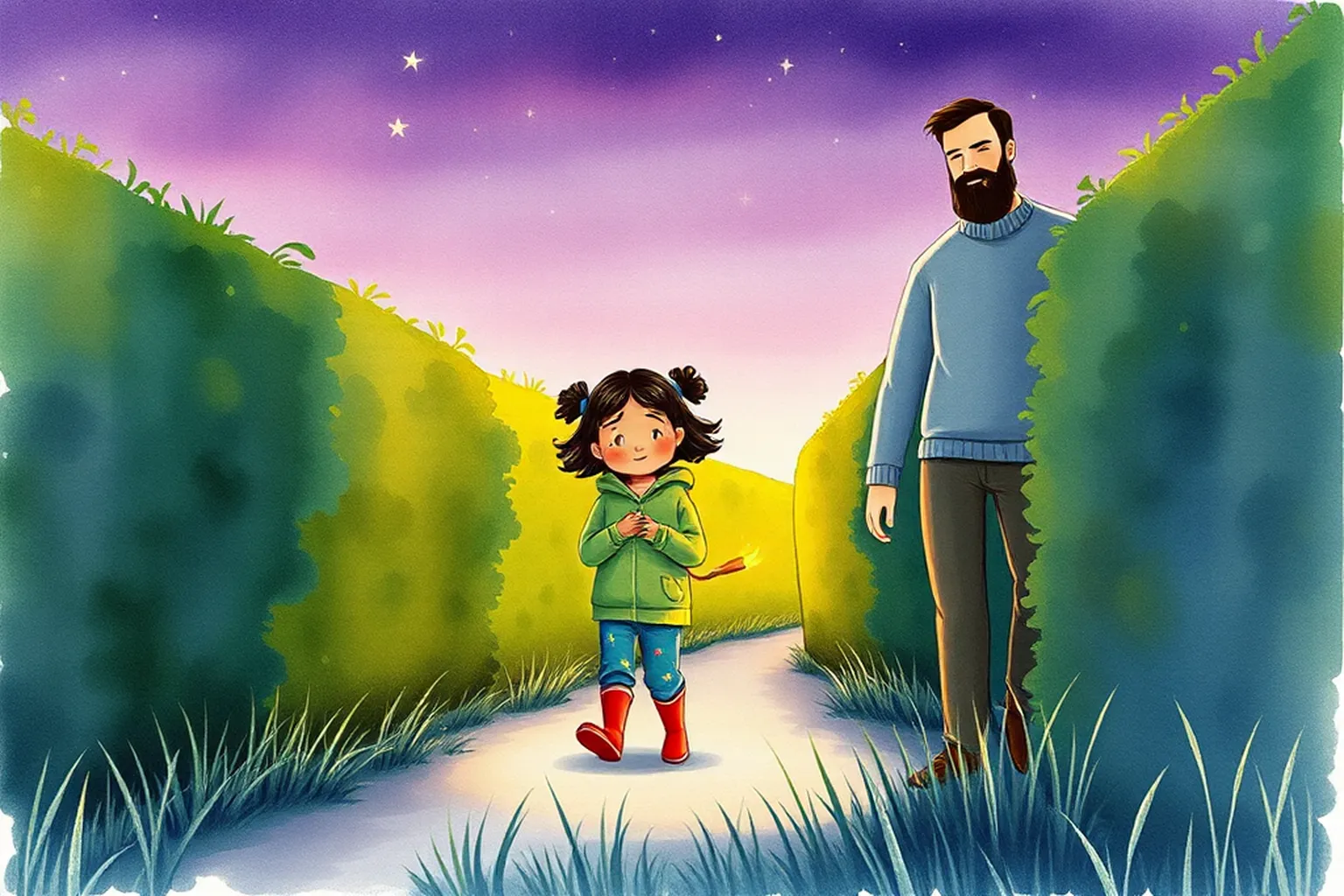
On the last night of a camping holiday, Esme wants to see a glow-worm in the long grass of Hollow Lane. But the glow-worms will not shine while her torch is on, and Esme does not want to be in the dark.
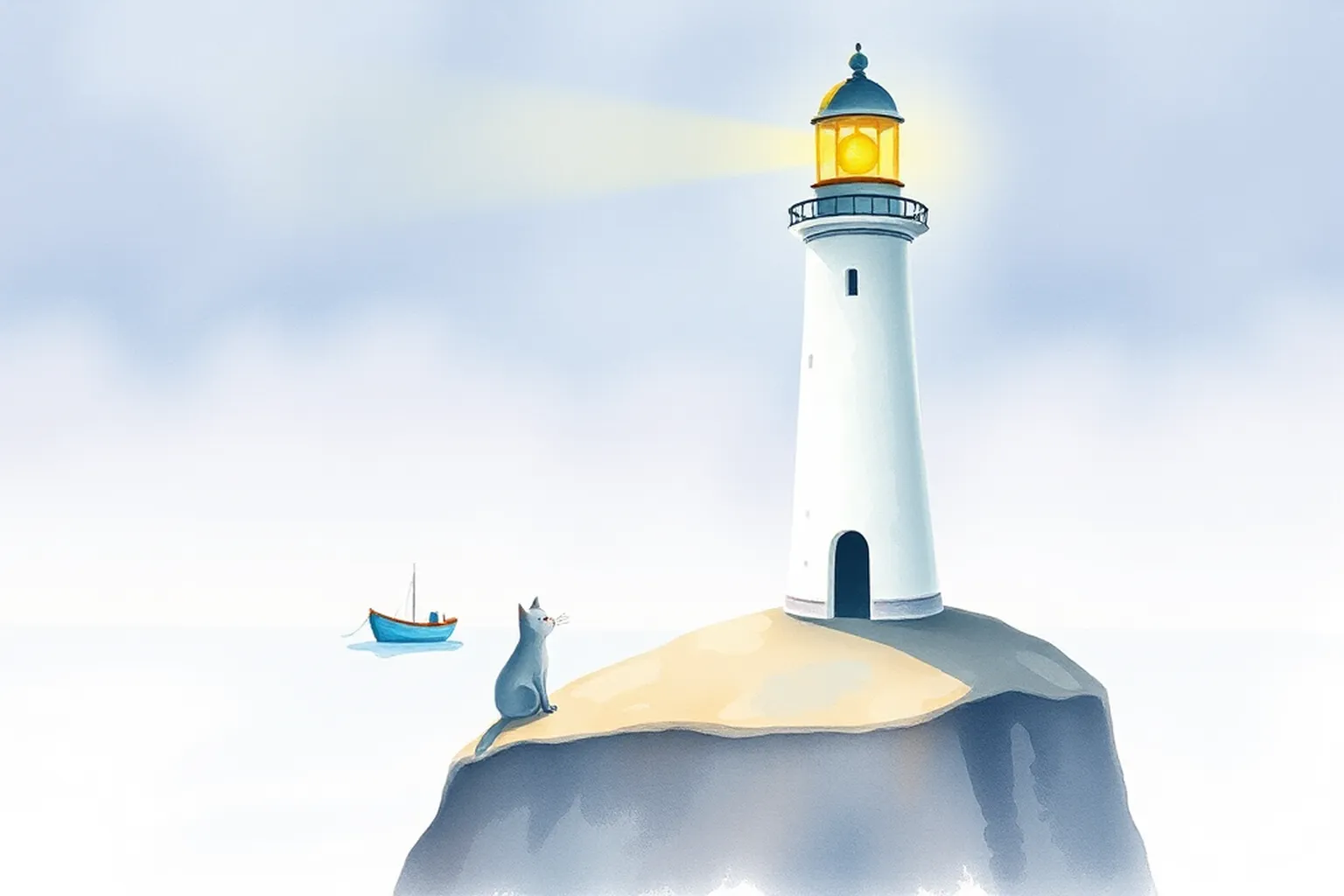
Salt is a small grey cat who keeps a lighthouse and has a secret: she does not like the dark. When a soft fog hides the way home for her friend, an old mouse in a tiny boat, she must step outside at night, one paw at a time.