Time moves at the pace of the weather in these stories. A seed waits through a hard winter. A river changes its mind after a storm. Moss spreads slowly over a stone, and somebody notices. The outdoors is more than a backdrop here, and it often decides what happens next.
Characters might be children, animals or the occasional talkative tree, and none of them is an expert. They look closely, get muddy and ask the questions a seven-year-old would ask: where do puddles go, why do leaves change colour, and who lives under that log?
The stories follow the seasons loosely, so you can expect snowy mornings, wet springs and hot afternoons beside the water. They go well alongside a walk or a picnic, and children who collect stones and sticks in their pockets may well see themselves in them.
There is little hurry and not much danger, just a lot of looking, listening and getting your shoes wet.
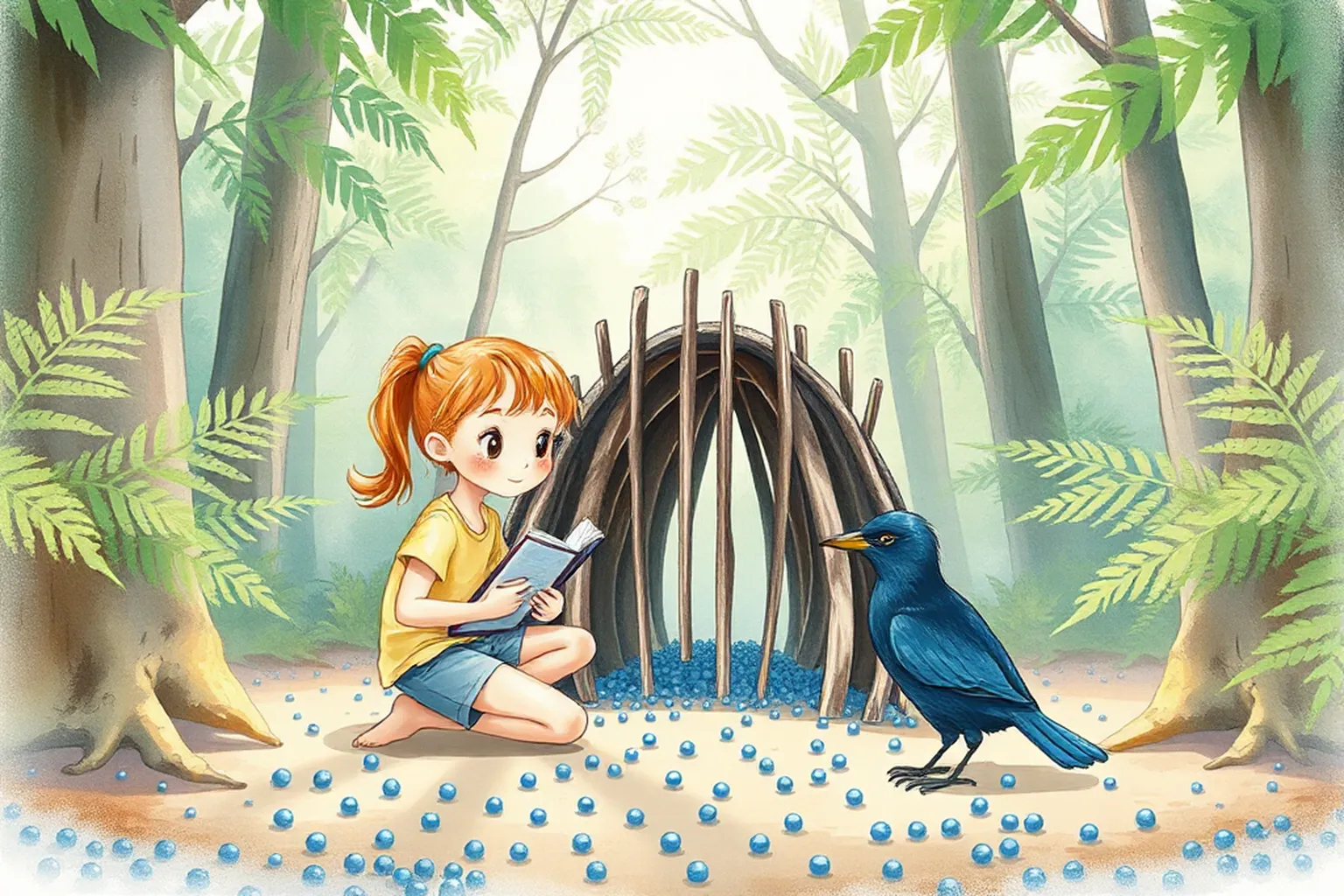
Things are going missing from Nan's house at the edge of the bush: a peg, a straw, a bottle top and then Nan's precious glass button. Tess starts a detective's notebook, and the list of missing things holds a clue that leads her deep into the ferns.
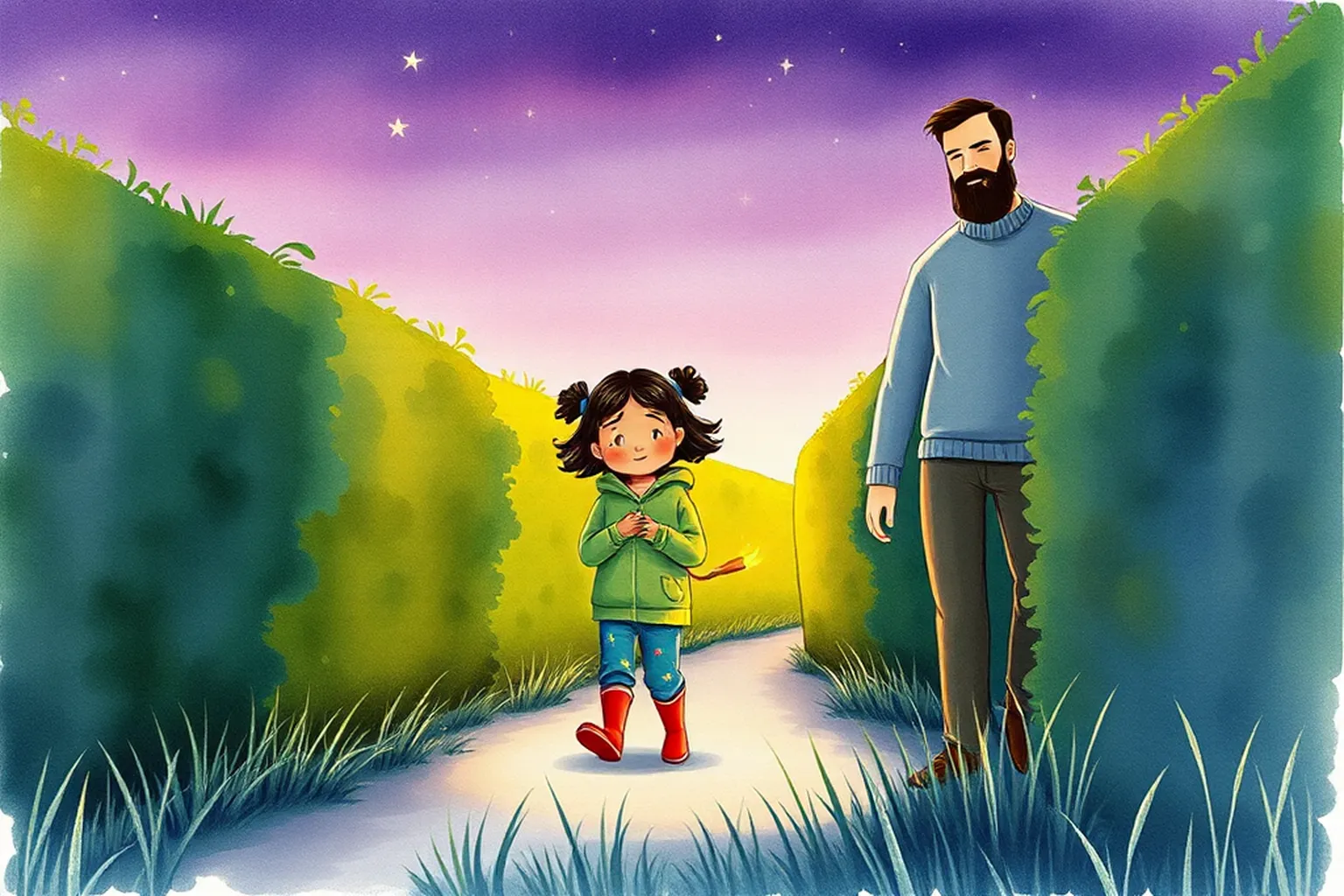
On the last night of a camping holiday, Esme wants to see a glow-worm in the long grass of Hollow Lane. But the glow-worms will not shine while her torch is on, and Esme does not want to be in the dark.
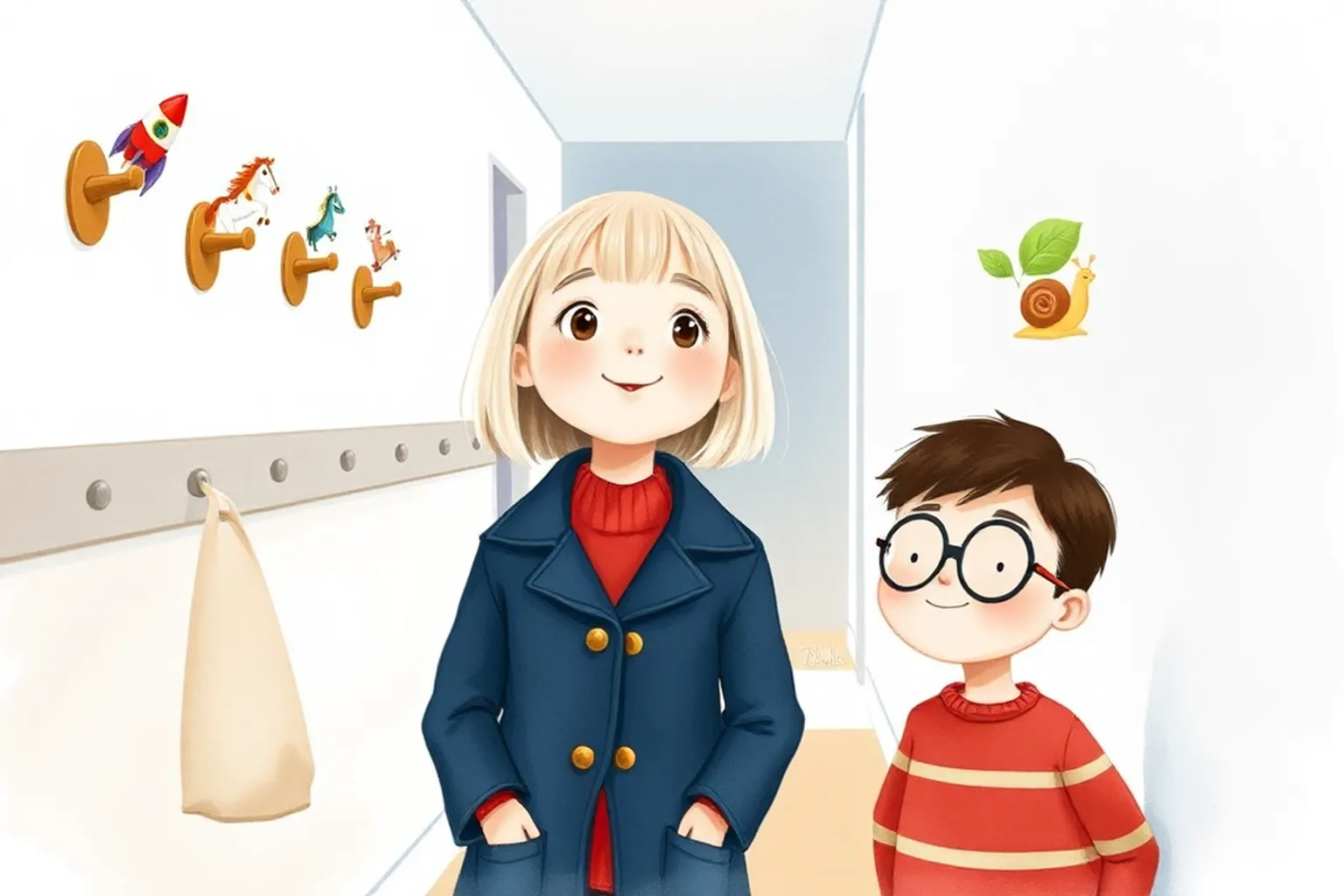
On her first day at school, Zofia, who is always last, is given the coat peg with a snail on it. The boy next to her has a leaf. By playtime it turns out that being slow, and being a leaf, are both very useful.
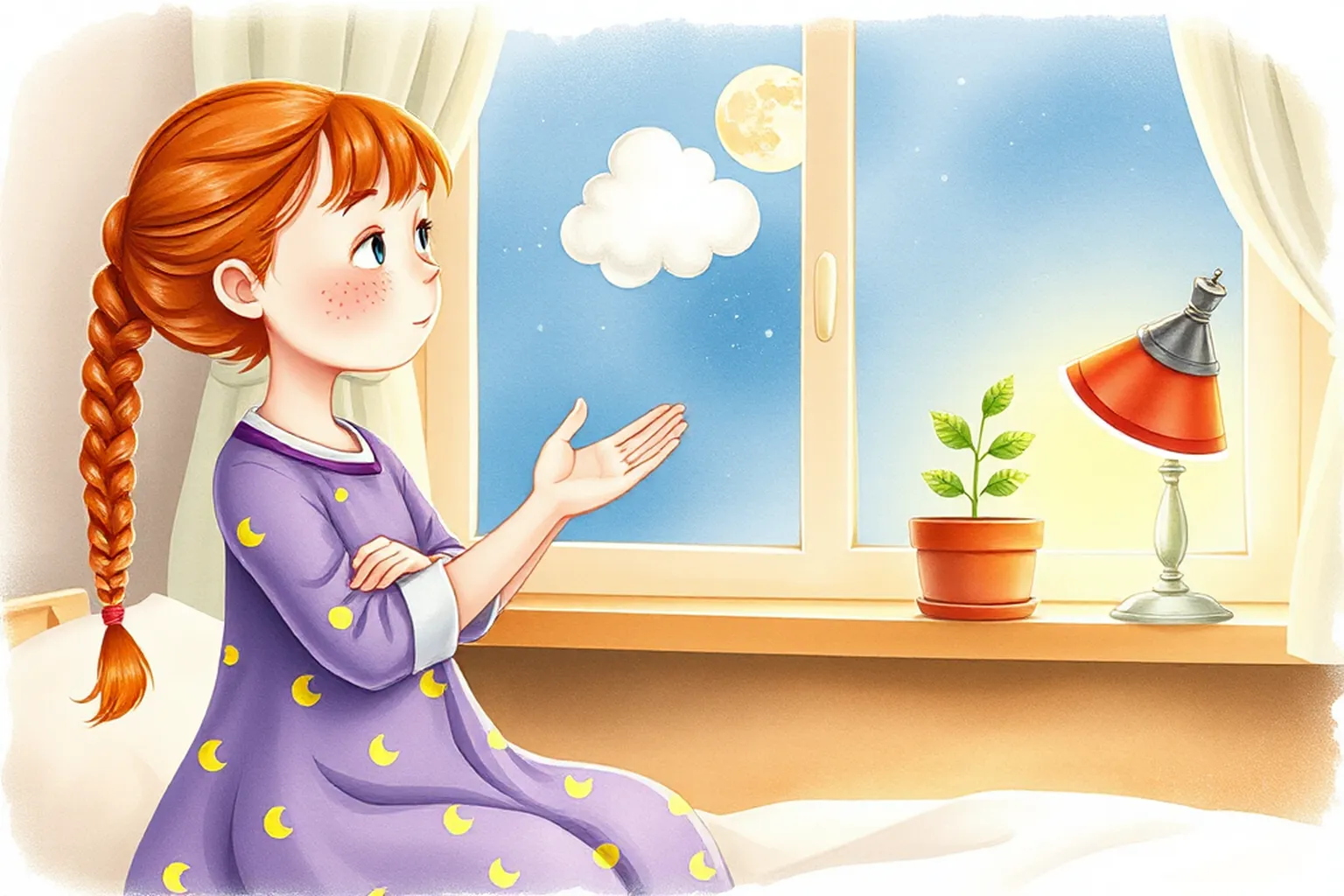
Sunniva's very first spell makes a little cloud to water her bean plant. But when bedtime comes, the cloud will not leave her room, and it keeps raining on her pillow.