A mystery needs very little: a missing key, footprints that stop halfway across a lawn, a noise in the attic at exactly the same time every night. The stories here start with something like that and let a small detective follow it, one clue at a time. Think magnifying glass, not cape.
The puzzles are meant to be solved. Clues appear in the text, sometimes in plain sight, so anyone paying attention can guess before the end and then check. Younger children enjoy calling out suspects, and older ones like to be proved right.
Nothing in this section is meant to scare. The noise in the attic turns out to be a family of owls, and the culprit is more likely to be a hungry badger than a burglar. If your child likes the tension but not the fright, mysteries are a comfortable place to be. Everything is explained before the story ends, so nobody is left lying awake wondering.
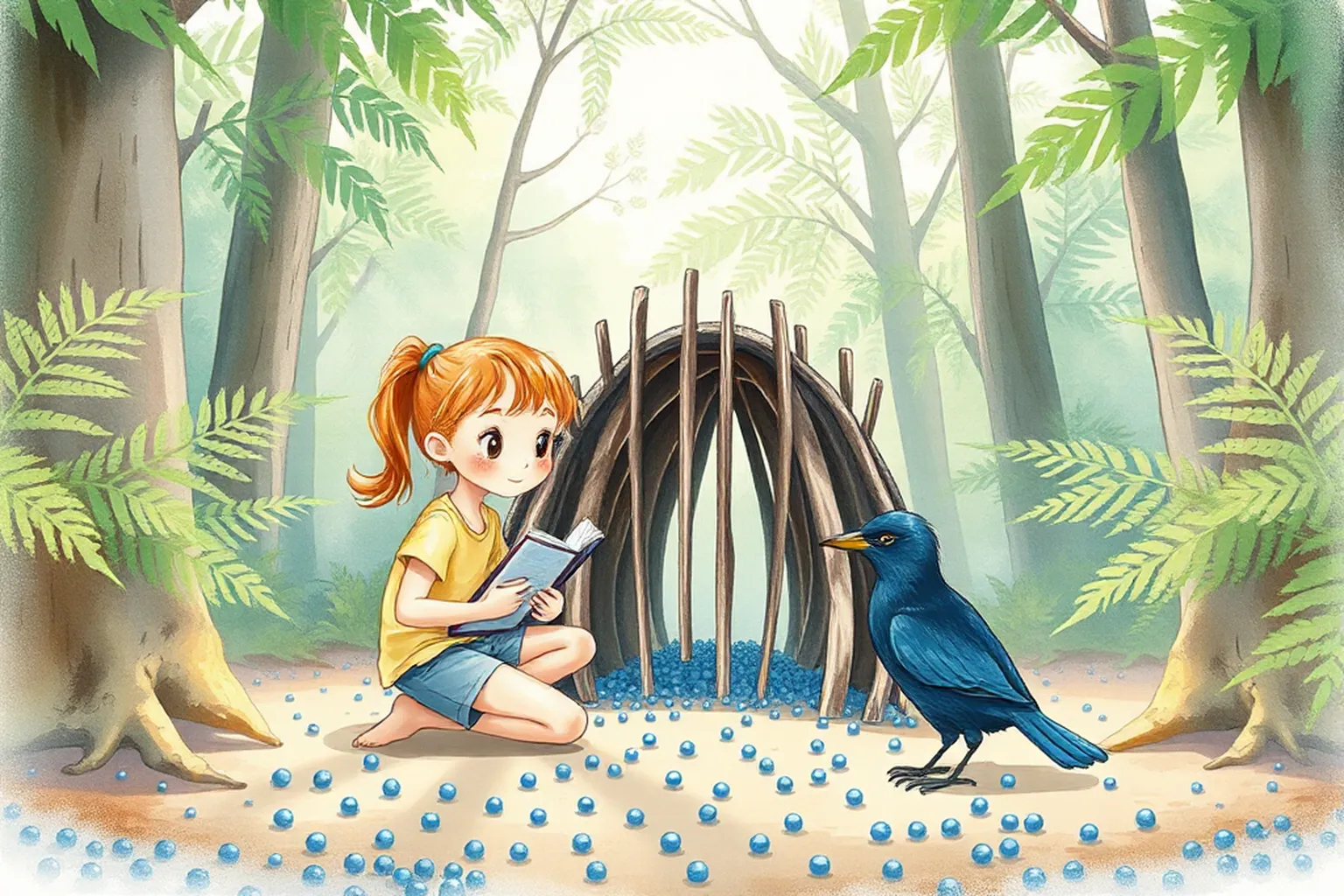
Things are going missing from Nan's house at the edge of the bush: a peg, a straw, a bottle top and then Nan's precious glass button. Tess starts a detective's notebook, and the list of missing things holds a clue that leads her deep into the ferns.
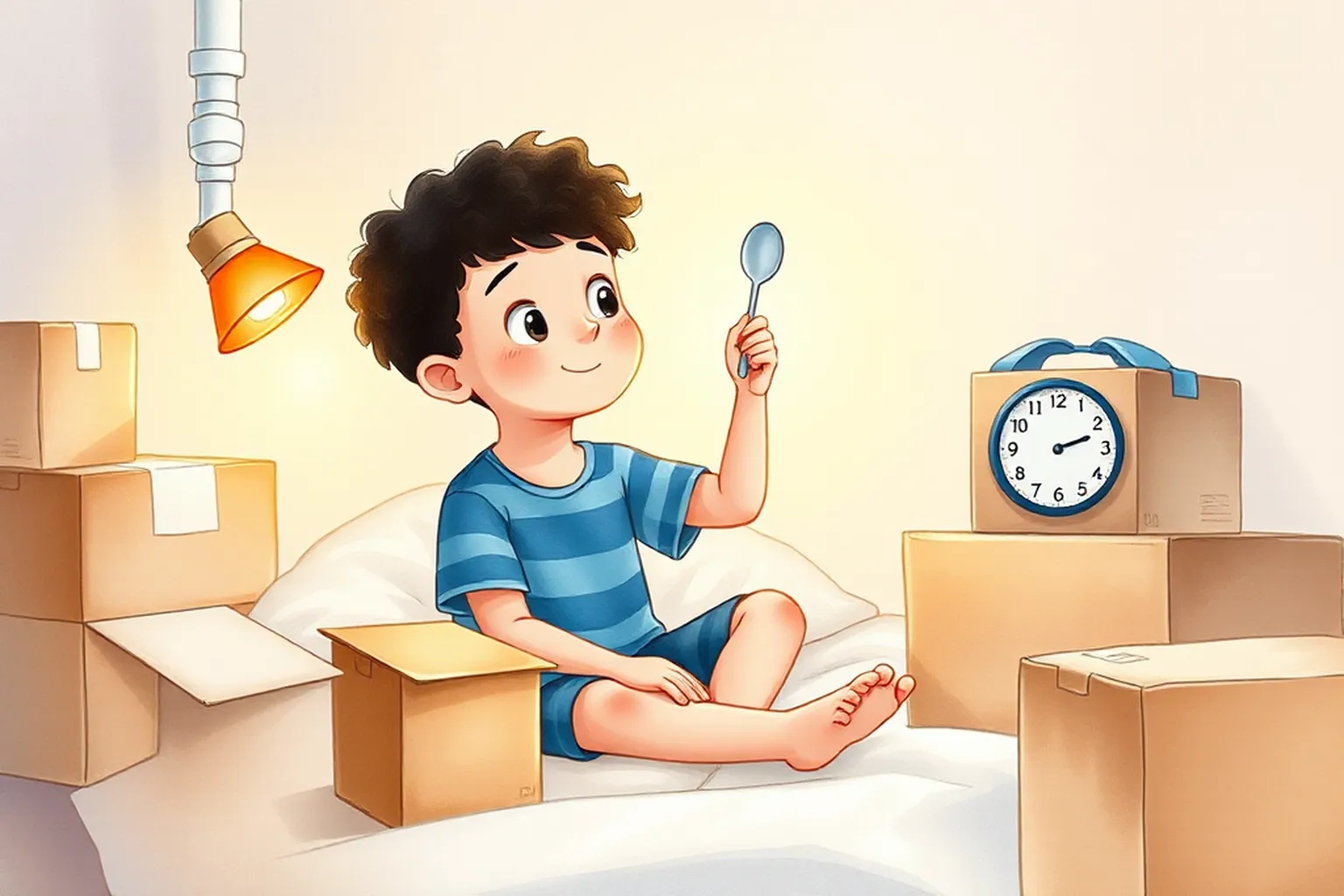
Everything in Yusuf's new flat is wrong, and at exactly eight o'clock every night the old pipe in his room goes knock, knock, knock. Dad says it is the hot water. Yusuf has three clues that say it is not, and a spoon.
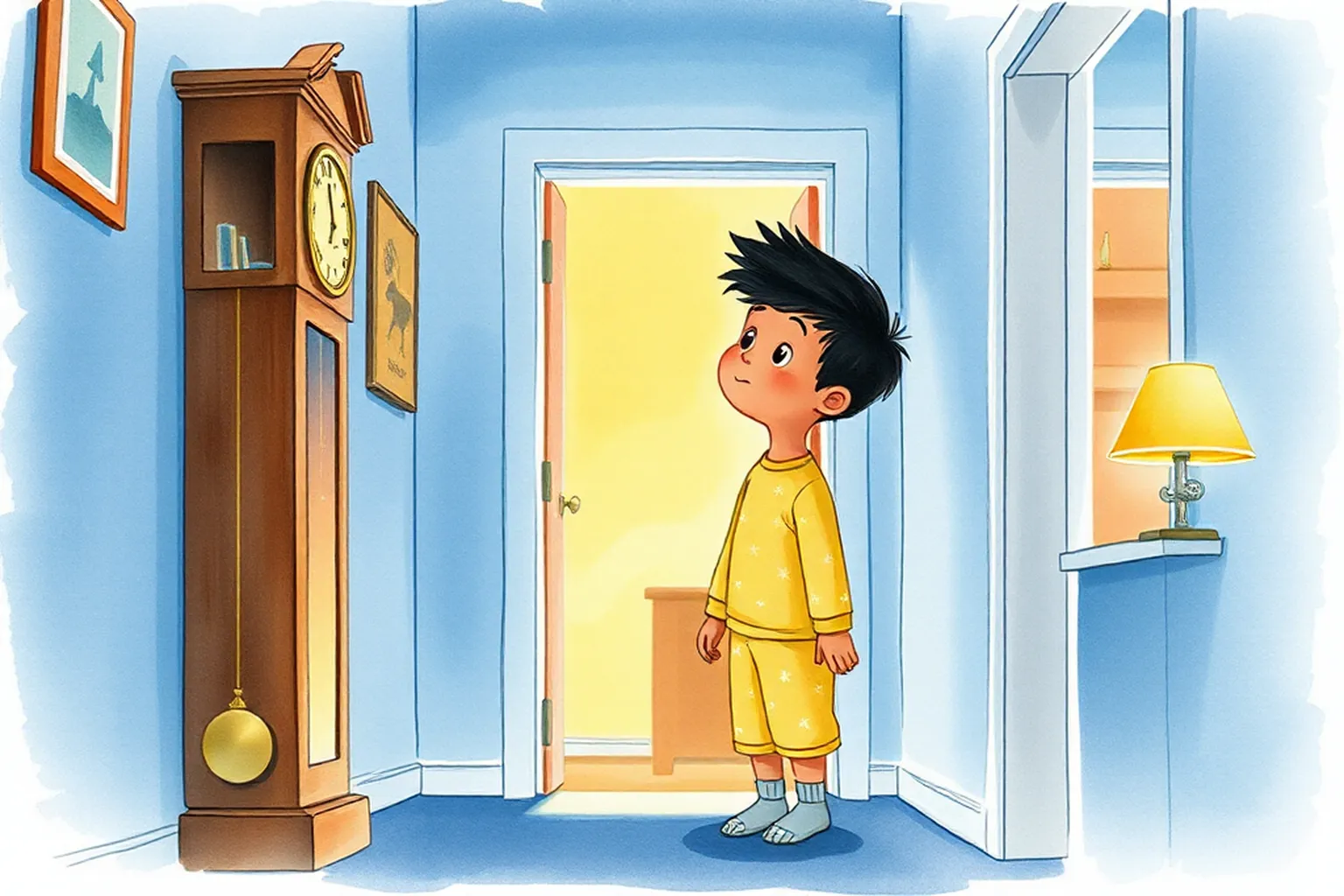
Ravi always falls asleep to the tick of Barnaby, the tall old clock in Grandad's hall. Tonight Barnaby has gone quiet, the little brass key is missing, and Ravi decides to find out who took it.